 September 22, 2026
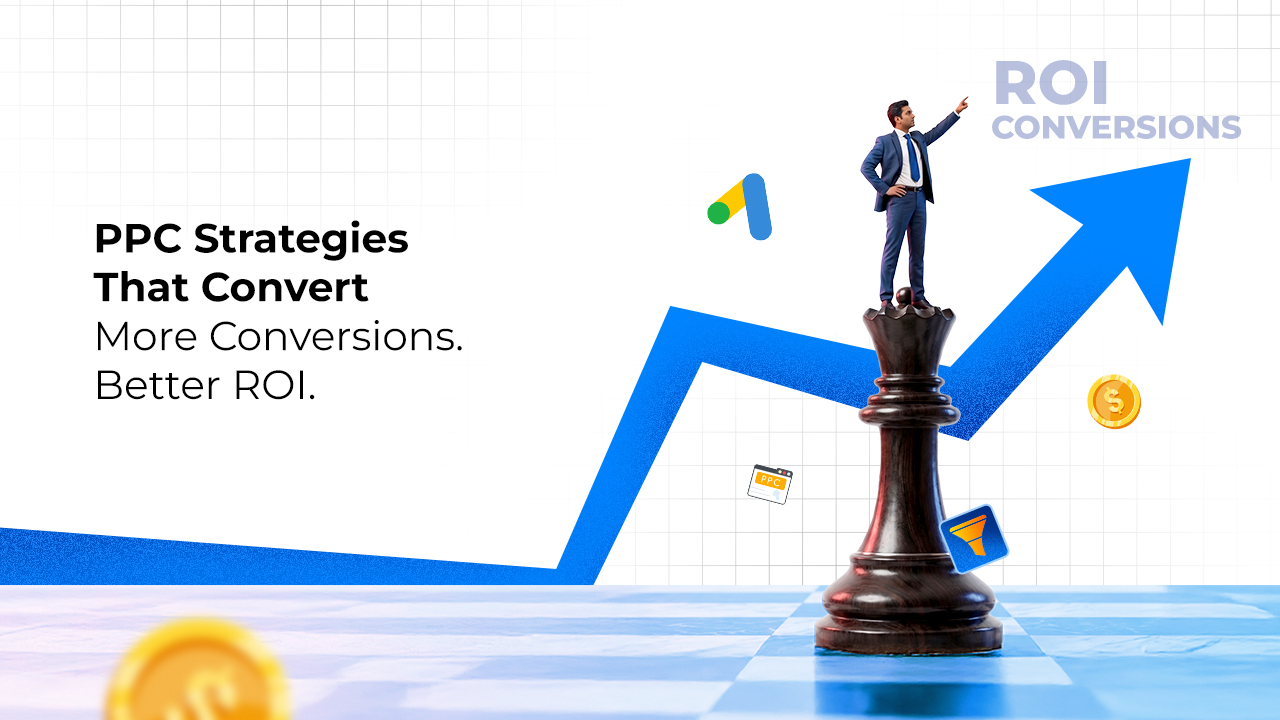
 In 2026, the average pay-per-click (PPC) conversion rate across all industries sits at around 5.13% to 7.5% [1, 3]. Yet, countless businesses are bleeding ad spend on campaigns that barely convert at 1%.
Why? Because too many marketers still treat PPC as an isolated “traffic generation” tool rather than a full-funnel conversion ecosystem. The days of simply bidding on high-volume keywords, writing a catchy headline, and crossing your fingers are over. Today, Google’s machine learning algorithms demand a cohesive strategy that connects your ad copy, user intent, backend data tracking, and landing page experience.
If you want to stop wasting budget on clicks that bounce and start generating profitable leads, you need a funnel-wide approach. Whether you manage this in-house or partner with an expert PPC management agency, applying the right optimization tactics is the only way to thrive in a highly competitive digital landscape.
Here are five proven PPC strategies to increase conversions and ROI in 2026.
What Counts as a Good PPC ROI in 2026?
A good PPC ROI in 2026 typically sits between 200% and 500% (a 2:1 to 5:1 ratio), meaning you generate $2 to $5 in profit for every $1 spent on ads. However, this definition relies heavily on the difference between ROI and ROAS.
-
PPC ROAS (Return on Ad Spend): Measures top-line revenue directly generated by your ad spend (Revenue / Ad Spend).
-
PPC ROI (Return on Investment): Measures actual profitability by accounting for your agency fees, fulfillment costs, software, and overhead (Net Profit / Total Costs).
Because unit economics differ drastically by sector, “good” performance is entirely relative. A SaaS company converting at 8% might be losing money due to high churn, while an e-commerce brand converting at 3% might be highly profitable due to a massive customer lifetime value [1, 5].
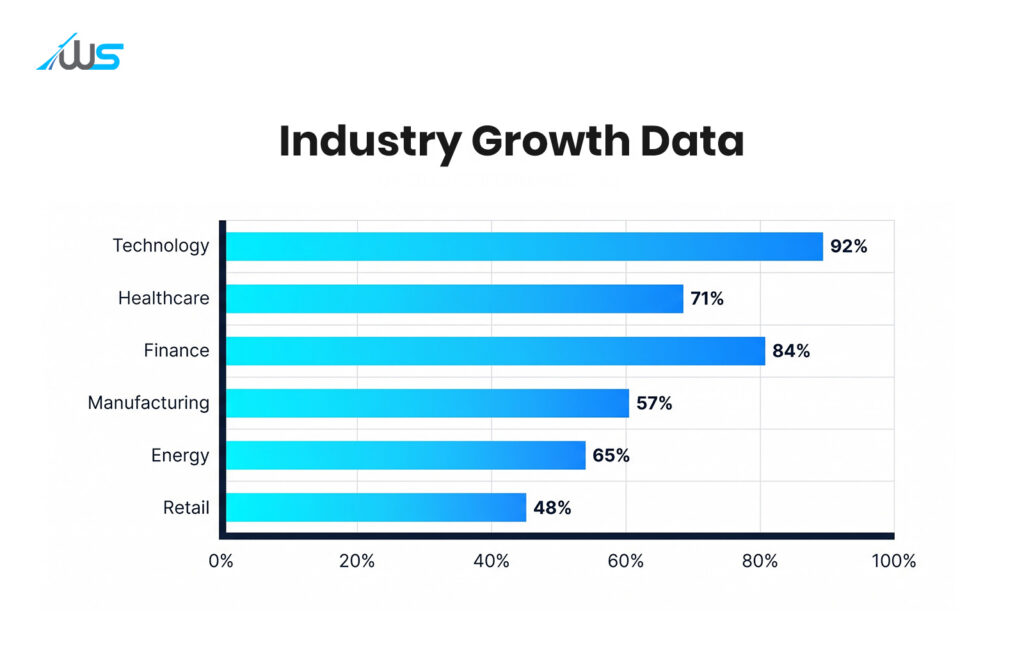
Table 1: 2026 Average PPC Conversion Rates & Costs by Industry (Data synthesized from WordStream and Ruler Analytics 2025/2026 Benchmarks)
Strategy 1: Group Keywords by Search Intent, Not Just Volume
High search volume is a vanity metric if the user intent doesn’t match your business goal. In 2026, Google’s AI has drastically broadened how “Broad Match” functions, meaning if your account architecture isn’t meticulously organized by intent, you will waste money on irrelevant clicks.
To increase conversions, segment your campaigns into distinct intent tiers:
-
Research Intent (Top of Funnel): Queries like “how to fix a leaky pipe.” (Users want information, not a service right now).
-
Comparison Intent (Middle of Funnel): Queries like “best plumbing software 2026.” (Users are weighing their options and need case studies or feature breakdowns).
-
Ready-to-Buy Intent (Bottom of Funnel): Queries like “emergency plumber near me” or “B2B SaaS PPC agency pricing.” (Users have their credit cards ready).
Allocate 70% to 80% of your budget to the Ready-to-Buy and Comparison tiers. If you group all these keywords into a single ad group, Google’s algorithm will spend your budget on the cheaper, high-volume “Research” keywords, tanking your conversion rate.
Strategy 2: Let Smart Bidding Work, But Feed It Clean Data
Does Smart Bidding actually outperform manual bidding now? Yes. In 2026, Google’s automated bidding algorithms—specifically Target CPA (Cost Per Acquisition) and Target ROAS—are far more efficient at finding converting users than manual CPC bidding, but only if you feed them accurate data.
Smart Bidding uses millions of real-time signals (device, location, time of day, browser history) to adjust your bids on a microscopic level. However, an algorithm is only as smart as the data it receives.
To maximize this strategy:
-
Implement Enhanced Conversions: Due to privacy crackdowns and cookie deprecation, standard tracking loses up to 30% of conversion data. Enhanced conversions pass hashed, first-party customer data (like emails and phone numbers) back to Google, restoring that lost data so the algorithm knows exactly who your best buyers are.
-
Know when to use tCPA vs. tROAS: Use Target CPA if you want to generate leads at a specific cost (e.g., $50 per form fill). Use Target ROAS if you are an e-commerce brand that needs to ensure profitability on carts with varying values (e.g., a $500 cart vs. a $20 cart).
Strategy 3: Treat the Landing Page as Part of the Ad
The most common reason for a low PPC conversion rate is a disconnect between the ad promise and the landing page reality. You can have a perfect Quality Score and a dirt-cheap Cost Per Click, but if your landing page fails to convert, your ROI will be zero.
How does landing page design affect PPC ROI? It dictates whether the money you just spent acquiring a click actually turns into revenue.
Optimize your post-click experience by focusing on:
-
Message Match: If your ad says “Get 50% Off Enterprise Software,” that exact headline must be the first thing the user sees on the landing page.
-
Load Speed: In 2026, a landing page that takes longer than 2.5 seconds to load will lose up to 40% of its paid traffic.
-
A Single, Clear CTA: Do not send paid traffic to your website’s homepage. Send them to a dedicated landing page stripped of navigation bars and external links, featuring one highly visible Call to Action (CTA).
If you are generating clicks but failing to capture leads, implementing dedicated CRO strategies to increase leads is often a faster route to profitability than tweaking your ad copy.
Strategy 4: Cut Waste With Negative Keywords and Audience Layering
One of the most effective PPC strategies to increase conversions isn’t about finding new keywords—it’s about aggressively blocking the bad ones.
How do you lower cost per click without hurting your Quality Score? By maintaining a strict, ongoing negative keyword list. If you run a premium B2B SaaS platform, you must add terms like “free,” “cheap,” “open source,” and “student” to your negative list. This prevents your ads from showing to users who have zero intention (or budget) to buy your product.
Beware of Over-Segmentation: While cutting waste is crucial, be careful not to hyper-segment your audiences. Research shows that layering too many strict audience parameters (e.g., “Only show to 35-year-old males in Chicago who like golf and software”) restricts Google’s algorithm. It artificially inflates your CPC because the system has to work too hard to find that incredibly narrow buyer. Use negative keywords to block the junk, but give the algorithm a wide enough audience pool to find the buyers.
Strategy 5: Diversify Beyond Search: Performance Max and Retargeting
Search ads capture demand, but visual and retargeting ads create it. In 2026, relying solely on standard Search campaigns leaves money on the table.
Performance Max (PMax): PMax campaigns utilize Google’s AI to serve your ads across Search, Display, YouTube, Gmail, and Maps from a single campaign. PMax earns its high conversion-rate premium for e-commerce brands, local businesses, and visually driven services. However, strict B2B companies should use it cautiously, as PMax can sometimes waste budget on low-quality Display network clicks if you don’t provide it with strict audience signals.
Retargeting: On average, 95% of your paid traffic will not convert on their first visit. By deploying retargeting campaigns, you can serve personalized display or video ads to warm, high-intent users who already visited your pricing or contact pages. A comprehensive digital strategy relies on this synergy between platforms. Executing high-level paid media alongside broader SEO strategies that drive leads ensures you remain visible at every touchpoint of the buyer’s journey.
How Long Until PPC Campaigns Show ROI?
In 2026, a new PPC campaign typically takes 30 to 90 days to show a stable, profitable ROI.
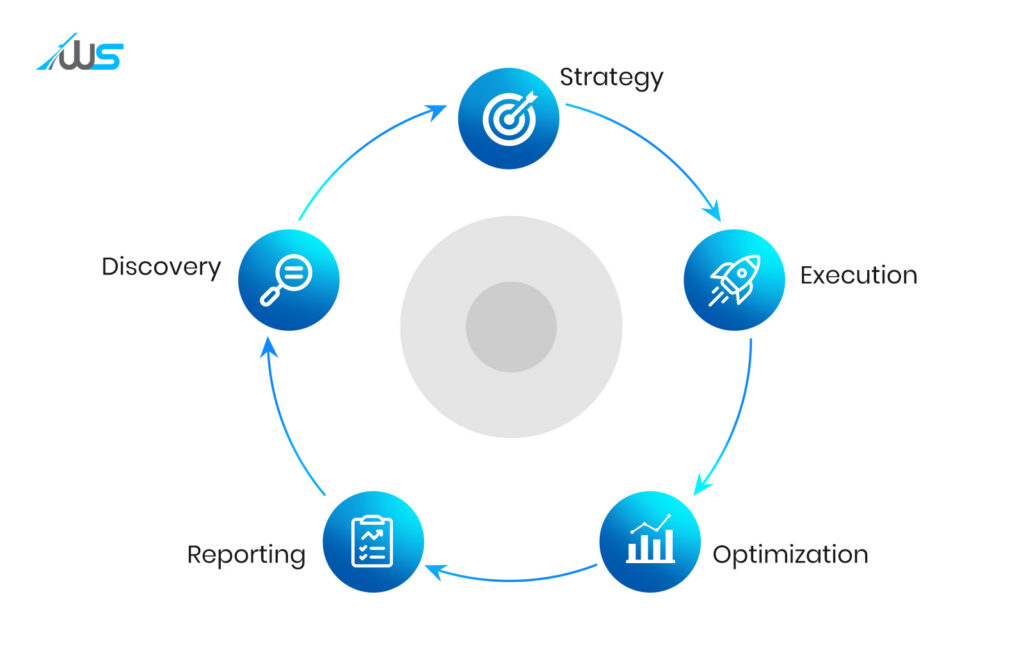
While you can technically get clicks and leads on day one, the first 4 to 6 weeks are considered the “Learning Phase.” During this time, Google’s Smart Bidding algorithm is testing different users, times, and placements to see what yields the best results. It takes a statistically significant amount of conversion data before the system can reliably lower your CPA and stabilize your ROI.
Frequently Asked Questions (FAQs)
Is PPC still worth it for small businesses in 2026? Yes, absolutely. Because Google prioritizes local search and intent, small businesses can effectively compete with massive corporations by targeting hyper-local keywords, utilizing Google Local Services Ads, and writing highly relevant ad copy.
What’s the difference between PPC and SEO ROI timelines? PPC delivers immediate visibility and traffic, with ROI stabilizing in 1 to 3 months. SEO is a long-term compound growth strategy that typically takes 4 to 8 months to yield significant traffic and ROI. The most successful businesses utilize both simultaneously.
How much should a small business budget for PPC? While it varies by industry, a standard benchmark in 2026 is between $1,500 and $3,000 per month in ad spend for small-to-medium businesses. This provides enough data volume for Google’s algorithms to learn and optimize effectively.
Can Smart Bidding work without much conversion history? It can, but it will be highly inefficient. Google recommends having at least 15 to 30 conversions in the past 30 days before switching to Target CPA or Target ROAS. If you lack conversion history, start with “Maximize Clicks” to drive traffic, then transition to Smart Bidding once you have data.
What’s a bad sign my PPC campaign is wasting spend? If your Click-Through Rate (CTR) is exceptionally high but your conversion rate is near zero, your campaign is broken. It means your ad is attractive, but your landing page is failing to deliver on the ad’s promise, or you are targeting the wrong search intent.
Maximize Your Ad Spend Today
Increasing your PPC conversions isn’t about finding a magic keyword; it’s about aligning user intent with clean data, smart bidding, and high-converting landing pages. If your campaigns are currently burning budget without delivering a clear return, it is time to stop guessing and start optimizing. Close the gaps in your paid media funnel today by exploring a professional PPC management service to turn your clicks into predictable revenue.

 UI/UX Design
  Web Development
  Mobile App Development
  Internet Of Things
  Game Development
  Artificial Intelligence
  Digital Marketing
  Data Science Consulting