 March 27, 2026
 TL; DR: In 2026, social media marketing is all about strategy, genuine engagement, and meaningful relationships. To stand out, businesses need to shift and concentrate on:
-
Setting clear SMART goals aligned with your marketing funnel to guide direction and measure success.
-
Understanding the target audience using demographics, behavior, data insights, and personas.
-
Choosing the right social media platforms based on where the audience is most active.
-
Tracking relevant KPIs and metrics to evaluate performance and optimize strategy.
-
Creating engaging, platform-specific content using defined content pillars.
-
Maintaining consistency with a content calendar, scheduling, and smart resource planning.
-
Continuously analyzing, testing, and optimizing social media strategy for long-term growth.
Want to get into the details? Let’s go. But first, let’s get clear on what social media marketing is.
What is Social Media Marketing?
Social media marketing (SMM) is the way of leveraging social media platforms like Instagram, TikTok, LinkedIn, YouTube, and Facebook to further its reach and goals.
It isn’t just about promoting your brand on socials, but it is about connecting with your audience on a deeper level.
Moreover, your business needs to be in the place where your target audience is. And, what can be more apt than social media?
A detailed report by Datareportal showed that at the start of October 2025, the number of social media users stood at 5.66 billion. Therefore, almost 68% of people in the world are social media users. And that’s huge from a marketing context.
Although SMM is a huge field, there are certain key activities associated with it.
-
Content: In social media marketing, content creation is about creating videos, stories, posts, narratives, and other pieces customized for each platform.
-
Community Engagement: This activity involves replying to messages and comments, building loyalty, and nurturing conversations.
-
Management: The daily activities to manage the channels involved with the brand, thus maintaining consistency.
-
Advertising: Social media advertising involves the promotion of ads or posts to reach a more targeted audience.
What are the Goals of Social Media Marketing?
The goals of social media marketing vary from business to business. But there are certain business goals that are common:
-
Building a solid brand awareness
-
Driving traffic to the business website
-
Generation of sales and leads
-
Solidifying the customer loyalty
For instance, a local restaurant business might use Instagram to go for an influencer marketing strategy. This business can also showcase the ambience through reels or publish posts about the ongoing offers.
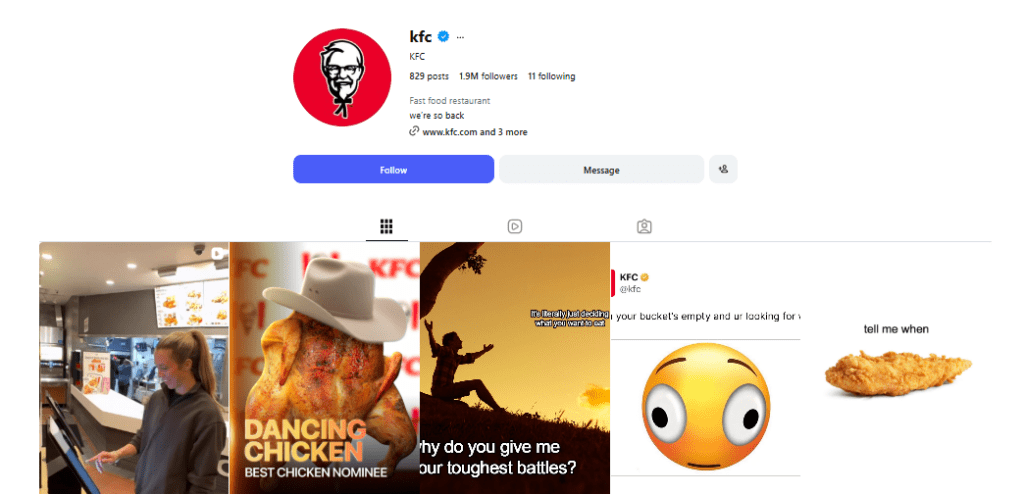
However, a B2B SaaS company can use LinkedIn to target the senior executives or CEOs through thought leadership articles. They can even post informative carousels and case studies showcasing their capabilities.
Source: Webskitters
One major thing to remember here is that social media isn’t a one-way street like conventional marketing. It isn’t about posting content and then letting the customers reach you.
Social media marketing is more about dialogues and narratives than random broadcasting. In SMM, success always comes through ongoing engagement and fostering a community of loyal followers.
Is Social Media Still Important in 2026?
Yes, social media is indeed the most important marketing channel today. Almost 2/3rd of the world population is active social media users. That means that almost all customers are scrolling through a feed right now.
The primary objective for any business is to identify the platform on which its target audience is. Before that, let’s check out the top 10 popular social media platforms (reported by Wix).
| Social Media Platform | Percentage (Respondents) |
|---|---|
| 16.6% | |
| 16% | |
| 13.1% | |
| 12% | |
| TikTok | 8.1% |
| Douyin | 7.3% |
| X (Twitter) | 3.2% |
| Telegram | 2.6% |
| Messenger | 2.4% |
| Line | 1.8% |
Here are some reasons why social media marketing matters for modern businesses.
1. Massive Reach
Social media platforms like YouTube, Facebook, and Instagram have billions of active users. So, these channels allow small businesses to reach audiences at the global level.
They can even drill it down to niche local markets. Most importantly, big or small, your brand can get to the people where they spend most of their time.
2. Community Building and Engagement Activities
Social media is one of those channels where marketers can interact with their audience directly and promptly. This helps in fostering trust that leads to long-term loyalty.
Today, users expect the brands to be reachable on social media. Gone are the days when users have to wait long to get in touch with a customer support executive.
Although customer support has also been revolutionized by the integration of AI chatbots, there are challenges to it, too.
Learn More: AI Chatbots Out of Control: What You Need to Know!
But these challenges are absent in social media. On the one hand, a business can have a clear idea of what is working and what isn’t. On the other hand, users can engage with the brand directly and can have a satisfactory journey.
3. Better Influence on Purchasing Decisions
Customer reviews have a massive impact on buying decisions. So much so that 99.9% of the customers go through online reviews before making a purchase. And 96% of users specifically look for negative or critical reviews.
It is a known fact that people trust other people’s recommendations more than the business’s promises. So, when internet users are talking about your product, your product is more likely to make conversions.
Are there any benefits of a Social Media Strategy?
Today, having a website alone isn’t enough. You have to have a stronger online presence. This is possible by leveraging social media as well. Not only that, you have to optimize your social media posts through SSO (Social Search Optimization).
This is an extended version of the emerging SEO practices. That’s why it can be called Search Everywhere Optimization now.
Explore more: GEO vs SEO: The Ultimate Battle for Web Traffic Dominance
Some of the benefits of an effective SMM are mentioned below:
-
Brand Story: It can highlight the business journey, mission, and vision through the content. BTS (Behind the Scenes) videos, customer reviews, and testimonials can be useful in creating a brand image that resonates well with the audience.
-
Brand Awareness: If you post valuable content consistently using trending strategies, you can gain followers, improve visibility, and engage users.
-
Gaining Insights: The analytics tool associated with these platforms can help you understand audience needs, behavior, patterns, and preferences. So, experimenting with strategies you can improve your strategies to engage with the users in a better way.
-
Developing Relationships: As you can communicate directly with your audience, posting relatable and genuine content can help you develop deeper relationships with your audience.
-
Lead Generation: Social media marketers can use these platforms to draw users in and guide them to landing pages, product pages, and forms on the website.
Now that we know all about Social media marketing, let’s talk about the social media strategies in a step-by-step manner that will work for you in 2026.
How to Create a Social Media Strategy in 2026?
Step 1: Setting SMART Social Media Goals
Every social media marketing strategy starts with the identification of clear goals.
The most important question that you need to ask yourself is what do I want to achieve with this social media strategy?
Establishing clear goals gives your strategy a direction, and you can allocate resources and time better. With well-defined goals, it is easy to measure the ROI and analyze the signals effectively.
That’s where the concept of SMART comes.
What are SMART Goals?
SMART in SMART goals stands for:
-
Specific: Defining what you want to achieve
-
Measurable: Identify KPIs that can help you track progress
-
Attainable: Gauging the practicality of your plan based on your timeframe and resources
-
Relevant: Asking if it aligns with your long-term marketing or business goals
-
Time: Setting of a deadline for the execution
For example, instead of just saying that you want to grow your audience, a SMART goal can be defined as:
“Increase the follower count (Instagram) by 20% over the next 6 months to promote your brand.”
The second phase of Step 1 is to align your SMART goals to the social media marketing funnel.
Aligning SMART Goals to the Marketing Funnel
The goals must reflect the priorities and the position of your audience in the user journey. There are three stages to be talked about here.
-
Awareness (Top of the Funnel): It includes reach, new followers, and impressions
-
Consideration (Middle of the Funnel): Number of clicks, website traffic, and engagement
-
Conversion (Bottom of the Funnel): Downloads, leads, purchases, and sign-ups
-
Loyalty and Retention: Customer satisfaction, referrals, and brand advocacy
Pro Tip: Don’t Overcomplicate
You shouldn’t focus on too many goals at the same time. This can dilute your social media marketing strategy. Begin with two to three goals that are the need of the hour. And then scale your strategy with the growth of the business.
So, prioritizing the goals is a necessary part of this phase.
Step 2: Know your Target Audience
Behind every successful social media marketing strategy lies a solid answer to one of the most important questions.
Do I Know Who I’m Talking to?
If yes, you are already a winner. If you know for whom your social media strategy is for, you can easily create content that resonates with them. Otherwise, no matter how good and relatable your content is, your strategy is bound to fail.

For this target audience, research is the most critical step! And, there are different ways to do it.
-
The Basics: User Behavior and Demographics
You have to get clear on the core traits of the audience. These traits include:
-
Age
-
Gender
-
Location
-
Language
-
Income
-
Education
-
Job titles
Apart from this, you have to gain behavioral insights:
-
What do these people do online?
-
What content do they consume most?
-
What is their motivation to take action?
The more you understand these traits, the better you can tailor your content.
-
The Data-Driven Way
This way, you don’t have to guess or think who the audience is. The data does the job for you. For this, you can leverage platforms like:
-
Meta Insights
-
Instagram Analytics
-
X Analytics
-
LinkedIn Analytics
These are the tools that automatically break down your audience’s gender, age, locations, and the time they are most active on social media.
The analytics tools will give you an idea about who’s engaging with the brand and the opportunities or gaps in your outreach.
-
Social Listening
You can even go beyond typical demographics with:
-
Surveys
-
Tools for social listening
-
Customer service
-
Google analytics
All these methods can uncover the hidden feelings, sayings, and user expectations. These listening tools can help you monitor sentiment trends, hashtags, and conversations in the industry. All these can reveal what’s the talk of the town.
-
Building User Personas
In this way, you can take the audience research a step further. You can develop user personas (semi-fictional profiles) that represent your ideal customers. The creation of the persona can help humanize the audience and give a path to your messaging strategy.
Let us give you an example of a user persona for a business promoting its marketing services to customers.
Marketing manager Karen Hill, age 30, is based in Los Angeles. She is active on LinkedIn to stay updated with industry trends and wants content that’s straightforward with short takeaways. She is tech-savvy, values tools that save time, and checks her feed in the evening.
You can create more personas like this that will help your strategy get aligned with the practical needs of the audience and not assumptions.
-
Customization by Platforms
There’s no way that all your audience is active on all platforms. A section of your audience may engage with you on LinkedIn, and another may be actively interacon Instagram or TikTok.
Here are some examples:
-
Instagram and TikTok: These platforms attract younger audiences (Millennials, Gen Z, or Gen Alpha) for entertainment, retail brands, and lifestyle.
-
LinkedIn: This social media platform caters to a professional crowd. This makes it ideal for B2B businesses.
-
Facebook: This one is a mix of demographics and is a great platform for building communities.
So, you have to adjust your tone, posting times, and content types based on the platform you’re choosing to promote your content.
Pro Tip: Avoid Guesswork
Remember, data always beats assumptions. Although it’s tempting to rely on intuitions and anecdotal evidence, your best decisions come from data-driven insights.
If you know the pain points of your audience, their interests, and behavioral patterns, you can craft messages that resonate with them and get effective results.
This is the way of transforming your followers into engaged communities that help your business in the long run.
Step 3: Choosing the Social Media Platforms
After the audience research, the next important question is:
Where is all my audience?
You need to know the places your audience is active the most. So, the selection of the platform for social media marketing becomes crucial. Instead of a scattered presence, you have to be on just one!

A Brief Audience Activity Based on Experimental Patterns
-
TikTok, Instagram, and Snapchat: Millennials, Gen Z, and Gen Alpha
-
LinkedIn and X: Professionals and B2B buyers
-
Facebook: Older audience (but can have people from all generations)
-
Pinterest and Instagram: DIY enthusiasts and visual shoppers
-
YouTube: Learners and Long-form content consumers
You must be wondering: How to match content with social media platforms?
Let’s explore that in detail.
-
Facebook: A Place for Community Building and Massive Reach
-
This platform is best for promotions, videos, events, paid ad campaigns, and sharing news.
-
For instance, Starbucks uses this platform to build communities through promotions and lifestyle content for user engagement. So, they create a place where all coffee enthusiasts can connect.
-
Instagram: Engagement through Visual Storytelling
-
Instagram is suited for visually rich content. And, with reels, shopping features, and stories, it’s a great space for eCommerce brands.
-
It is best for short videos, user-generated content (UGC), influencer collaborations, information in short-length format, and appealing product images.
-
LinkedIn: A Professional Space
-
LinkedIn is great for sharing trends, company updates, thought leadership content, and case studies.
-
For example, IBM publishes innovation stories, employee spotlights, and expert opinions. This positions them as leaders in the tech industry.
-
TikTok: All about Creativity and Trends
-
TikTok is a platform for the younger generations. It is an exceptional platform for short-form viral videos, authentic storytelling, and viral trends.
-
In the case of Chipotle, TikTok was used to launch viral hashtag challenges (#GuacDance) that resulted in more than 250,000 submissions and a record-breaking sale.
-
X (Formerly Twitter): Live Engagement and Customer Service
-
This one is for maintaining a brand voice, announcements, news, and providing quick responses.
-
Uber excels at customer support on X, leveraging the platform to quickly resolve disputes and reply to inquiries.
-
Pinterest: Inspirational and Visual Discovery
-
Pinterest is an engine for creative people where they save and plan ideas. But the platform is best for décor, food, fashion, DIY, retail, and pins with links.
-
Etsy is one such business that showcases handmade goods and crafts on Pinterest. This way, they can connect with the creative shoppers to more than a thousand small businesses on the platform.
-
YouTube: SEO and Long-Form Content
-
This platform is best suited for tutorials, reviews, explainers, interviews, and so on. YouTube is ideal when it comes to evergreen and educational content that can drive traffic.
Fun Fact: YouTube is the second-largest search engine in the world.
-
GoPro is one such business that makes exceptional use of YouTube. They do it by creating exciting customer footage, highlighting the product, and engaging adventurous audiences. This fuels UGC and brand loyalty.
Learn More: Learn YouTube SEO in 2026: How to Grow Your YouTube Channel?
Slow and Steady Wins the Race!
After you identify the social media platform, don’t rush in to publish it right away. Once you have determined your platform, you must ask the following questions:
-
Where is my target audience most active?
-
Does this content fit the platform’s strengths?
-
Do I have the time to post consistently and engage with the audience?
Remember that building your social media presence slowly but consistently always beats even the best inconsistent content.
Profile Optimization is Important
Along with the selection of platforms and maintaining consistency, the next crucial thing is profile optimization. For this, you can:
-
Use consistent logos and handles
-
Make use of keyword-driven bios that clearly state what your business does and who you are.
-
Add links (campaigns, websites, or lead magnet)
-
Add consistent visuals for highlights and banners
-
Make sure your contact information is updated and accurate
For most businesses, the social media profiles are the first point of contact between them and the users. So, make it exceptional to impress your first-time visitors.
Step 4: Identifying the Appropriate KPIs and Metrics
While setting SMART goals is the first step, a lack of proper assessment can be harmful to the strategy. Once the identification of platforms is done, the next question is:
Am I executing the strategy the right way?
To track your performance, you have to focus on the appropriate KPIs (Key Performance Indicators). These signals make sure that the social activity isn’t scattered but aligned with the business goals.
Focus on the Right Things
Not every metric is useful. While the follower count and likes can be motivating, they don’t always bring tangible value. You can ask these questions instead.
-
What am I trying to achieve?
-
How will I know if I’m getting there?
After answering these questions alone, you can choose the KPIs that align with your SMART business goals.
Let’s break it down a bit.
-
Visibility for Brand Awareness
If the goal of your business is visibility, then you have to focus on metrics that show the visibility of the content. This may include:
-
Reach
-
Impressions
-
Follower growth rate
-
Mentions
-
Video Views
-
Track Interaction for Engagement
A higher level of engagement signals that your content is relevant and resonating with the target audience. For this, you can track:
-
Replies, comments, likes, shares
-
Saves
-
CTRs on links
-
Rate of engagement
-
Follow Conversations for Sales and Leads
If the goal is to drive traffic, make sales, or generate leads, the Key Performance Indicators that matter the most are:
-
CTRs (Click Through Rates)
-
UTM links (Website traffic from socials)
-
Number of sign-ups or leads from social media campaigns
-
For paid campaigns, CPC (Cost Per Click) or CPL (Cost Per Lead)
-
Service Metrics for Customer Support
When social media platforms are used for support and service, prioritize:
-
Response rate
-
Response time (average)
-
Resolution rate
-
CSATs (customer satisfaction scores)
Refining and Reporting
It is not enough to monitor trends. You have to use them. Setting up quarterly and monthly reporting processes can help you identify gaps and opportunities, spot trends, and correct the wrong strategic aspects.
You can keep a track of these by:
-
In-built platform analytics
-
Google analytics
-
Tools like Buffer, Hootsuite, or Sprout Social
After this, you can adjust the content, platforms, timings, and the process based on what you’ve learnt from these metrics. These indicators should become your Strategy Engines.
Step 5: Engaging Content Creation on Social Media
Now that your strategy is almost set, goals are defined, and the audience is identified, it is time to begin the content creation. The question which now arises is:
What content should I post?
It doesn’t matter if you want to promote brand awareness, build communities, or convert; content is the primary thing. Everything revolves around content. While you can make content with AI, the best way to do it is in a humanized way.

Explore More: The Blurred Line Between Human and AI-Generated Writing
Engaging content doesn’t fill the user feed; it grabs attention, nurtures trust, and drives desirable actions.
Building the Content Strategy
For this, you start by creating content pillars. Your content must revolve around three to five recurring themes that suit your goals and that your audience cares about.
Here are some examples.
-
Educational: This content includes how-tos, quick facts, tutorials, and news.
-
Entertainment: This theme includes memes or behind-the-scenes
-
Emotional: This entails mainly storytelling
-
UGC (User Generated Content): It includes testimonials, customer videos, and reviews
-
Promotional: The promotional content pieces are product launches, features, events, or offers.
-
Thought Leadership: This is all about original perspectives, opinion pieces, or trend insights
These are the pillars that make sure that the content pieces are not on the same topic. Plus, they ensure that the strategy reinforces the brand positioning. Moreover, it allows for consistency in both value delivery and tone maintenance.
Adapting Content Based on Platforms
Not every content piece works for a specific social media platform. You have to customize your messaging and format depending on the place where it’s being published.
Let’s see some platform-specific examples.
-
Instagram: Reels, carousels, curated visuals, and stories
-
LinkedIn: Thought leadership, industry commentary, case studies, or employee spotlights
-
Facebook: Community-aligned posts, short-form videos, or announcements
-
TikTok: Authentic short videos (Attention-grabbing)
-
X: Live updates, blog links, conversations, micro-blogging, or thought snippets
-
Pinterest: Visually appealing pins (eCommerce listings or infographics)
-
YouTube: Long-form content, storytelling, expert reviews, podcasts, tutorials, or product videos
Content optimization based on platforms makes the content relatable and improves engagement while increasing the reach.
Quality over Quantity
Social media success is not just about posting on a continuous basis. It’s more about consistency with a definite purpose. Your content should:
-
Educate
-
Inspire
-
Entertain
-
Convert
It is undeniable that quality content creates loyalty. If the users believe that you add value to their lives constantly, then they will always be back for more.
Communication is Always a Two-Way Road
Expert social media marketers know that their strategies go much beyond posting. It’s all about building relationships.
You can try:
-
Posting open-ended questions in the content
-
Running quizzes or polls
-
Featuring replies as content
-
Encouraging UGC with relevant hashtags
-
Responding to the DMs and comments rapidly with a personal touch
This is good for both engagement and signaling that your brand is active, community-driven, and active.
Videos and Visuals are the Way to Go!
You have to prioritize visuals over everything else to dominate the social media landscape. It is more memorable, engaging, and shareable.
Some ideas for you:
-
Tips and quotes with branded templates
-
Product videos
-
User stories through Reels
-
Infographics usage to simplify complex data
-
Time-lapse videos
Note: Authenticity beats perfection. Your content doesn’t always need to be studio-polished.
Pro Tip: Repurposing Maximizes ROI
You have to turn your ideas into multiple posts for different platforms. This is known as repurposing. Let’s take this as an example.
-
You can transform blog posts into infographics, an X thread, and a LinkedIn article.
-
Turn webinar short clips into Reels or Shorts (YouTube)
-
You can break long-format videos into short TikTok content
-
Make Instagram and Pinterest posts from testimonials and reviews
This will save you time and effort. Furthermore, it will substantially increase the content’s life and will reach maximum users through varied channels.
Step 6: Scheduling Content and Budgeting
The next question in line is:
What resources do I need, and how do I plan the postings?
When scheduling and planning your content, we have to talk about the content calendar. Without this, your best posts can get lost in a disorganized void. It keeps the content on track and helps you maintain a consistent presence.
Let’s explore a few steps.
Choosing a Calendar that Works for your Business
Following a generic calendar won’t work. You can leverage:
-
Spreadsheets
-
Google calendar
-
Tools for project management
-
Scheduling tools
From these, you can pick a format that suits your workflow, business, and team size. The best one is the one that suits you.
Set Up a Practical Schedule for Posting
Showing up daily and posting doesn’t mean consistency. You can start with a posting frequency that can be managed by your team. For instance:
-
Instagram: 2-4 posts per week
-
LinkedIn: 1-3 posts per week
-
Facebook: 2-4 posts per week
-
TikTok: 2-4 posts per week
-
X: 1-2 tweets per day
-
Pinterest: More than 4 pins weekly
-
YouTube: 1 video weekly
But don’t pick it randomly. This rhythm should be maintained throughout. That’s because the audience expects periodic posts.
Streamline Planning with Content Buckets
You can assign themes to weeks (monthly) and days (weekly). This will make the users predict and make the scheduling process easier.
A few examples can be:
-
Monday Motivation: This can be inspirational stories or quotes
-
Tip Tuesday: It can include quick how-tos
-
BTS Thursdays: Showcasing your processes, workspace, or culture
-
Feature Fridays: In this, you can spotlight a team member, product, or customer
Content buckets are pre-made categories that can reduce decision fatigue while keeping your feed balanced.
Play with Key Dates and Campaigns
You can make use of significant dates on the calendar. This may include:
-
Seasonal promotions or product launches
-
Conferences or industry events
-
Awareness days and holidays
-
Internal milestones
By making a map of this early, you can easily align the campaigns with social activity. Plus, you can avoid scrambling during the best times and prepare in advance.
Smart Usage of Automation
There are scheduling tools for automating your posting. All these tools help you schedule the content automatically. By this, you can free up time and make sure you are consistent enough (during peak times).
Here are some popular tools:
-
Buffer
-
Hootsuite
-
Later
-
Meta Business Suite
-
Sprout Social
Note: Don’t just schedule it and forget it. You have to be available to engage with the audience after the post goes live.
Step 7: Assess and Evolve Continuously
Just like any other strategy, social media is not your one-time thing. It’s a dynamic process and requires continuous improvisation. Here, the question would be:
Am I doing the social media strategy the right way?
We have seen that the most successful social media strategists treat this as an animate system: assessed, tested, and continuously improved.
Once the content is live and ready, you have to continuously monitor the results. This way, you will have an idea about what’s making an impact (and what’s now). Then, you can refine the strategy based on that analysis.
Let’s discuss some steps you can take regarding this.
-
Regular Reviews
Create a quarterly or monthly rhythm to review the KPIs (mentioned in the 4th step). Extract performance data from platform analytics, Google Analytics, and scheduling tools to answer questions:
-
Am I meeting my engagement, conversion, and reach goals?
-
Which topics or formats performed best?
-
Which platforms delivered the best results?
-
Is the content reaching the right audience?
You can use the review to tweak content and spot trends. This can transform your strategy into a much better one.
-
Apply TLO Approach
TLO= Test + Learn + Optimize
It is a known fact that in social media, the most crucial thing is experimentation. You have to keep your strategy agile by regular testing.
-
Post format: You can compare static posts with videos or single images vs carousels
-
Caption style: Punchy and short vs instructional and story-driven
-
Posting Times: You can even use analyses to identify the activity of the users
-
CTAs: Try direct vs soft CTAs
But you have to run the test once at a time. This will help you assess what’s driving the changes. Along the way of gathering results, you have to scale what works. Conversely, you have to refine the things that don’t work.
-
Adapt and Conduct Periodic Audits
The social media algorithm changes periodically. New features get added frequently. Also, new platforms emerge. So, your strategy should be flexible enough to adapt to all these changes.
This pragmatic adaptation helps prevent stagnation and keeps the content fresh.
Along with that, you should conduct audits every 6 to 12 months. This will give you deeper insights into your strategy. Thus includes:
-
Revisiting the goals and finding out if they align with the brand or not
-
Assess the mix of platforms
-
Review the pillars you have created and assess if they resonate with the audience anymore.
-
Analyze the performance (overall)
-
Asking if your brand is growing sustainably and steadily or not
Audits are important for clarity. It unveils inefficiencies and shows you new opportunities.
You can even reshape Step 3 (for platform selection) and Step 5 (Planning content) to recalibrate your strategy.
A Few Social Media Marketing Predictions of 2026 before Wrapping Up
A great strategist knows what’s coming much before it becomes a trend. This way, they stay much ahead of their competitors. Here are some predictions for you that will help you stand out.
1. User-Generated Content and Short-Form Video will Dominate
While it isn’t true that the attention span of users has shortened more than that of a goldfish (a major misconception around the internet), we have developed something known as a smart scanning mechanism.
This has increased the popularity of short video content. Marketers have realized that short videos can attract the attention of users significantly. According to Forbes’ report, almost 73% of marketers are now prioritizing videos (short form) like TikTok, Shorts, Reels, and so on.
They also reported the increased usage of UGC video content. From this data, it is clear that consumers prefer genuine and relatable stories delivered in engaging and quick bursts.
2. AI will Move Away From Experimentation.
In the domain of social media marketing, AI has been revolutionary. It has delivered enormous productivity, ranging from AI chatbots, finding UGC, optimizing ad targeting approaches, and using predictive analysis to have a measurable ROI.
So, in 2026, AI will transcend experimentation to be embedded in major workflows. Businesses will be integrating Gen AI solutions in their martech infrastructure. Agentic AI will also play a critical role here.
Agentic AI will handle live tasks by testing creatives, adjusting social media campaign spends, and drafting copy. Marketers will start looking at AI not as a tool but as a valuable member of the team.
3. Influencer Marketing will be transformed by Virtual Influencers.
According to Forbes, 60% of marketers stated that they plan to increase their collaboration with virtual influencers. However, social media marketers are distancing themselves from these AI-generated content creators.
Despite this trend of secluding virtual influencers, social media marketers can integrate them into the social media strategy in a hybrid approach. This means that it can be used as a tool for scalable storytelling and visual experimentation.
The Wrap Up!
From the strategy itself, you can tell that reading about social media strategy is one thing. On the contrary, executing it creatively, profitably, and consistently is another.
If you want further help in moving from random posting to a data-driven and clear social media strategy, Webskitters can help.
Book a strategy call with our expert and let us review your channels. We can talk about your business goals, and we will show you the gaps and opportunities for your social media marketing growth in 2026.
Our promise to you: No pressure. No jargon. Just realistic advice that you can execute!
FAQs
-
What is social media marketing (SMM)?
SMM is the use of platforms like Instagram, LinkedIn, and YouTube to promote brands, engage audiences, and achieve business goals.
-
Why is social media marketing important in 2026?
Because nearly 68% of the global population uses social media, making it a powerful channel for reach and engagement.
-
What are the main goals of social media marketing?
Common goals include brand awareness, website traffic, lead generation, and customer loyalty.
-
Which platforms are best for social media marketing?
The best platforms depend on your audience, with Instagram, LinkedIn, Facebook, and TikTok being the most popular choices.
-
What type of content works best on social media?
Engaging, value-driven content like videos, stories, educational posts, and user-generated content performs best.
-
How do you choose the right social media platform?
By identifying where your target audience is most active and aligning content with platform strengths.
-
What are SMART goals in social media marketing?
SMART goals are Specific, Measurable, Attainable, Relevant, and Time-bound objectives for better strategy execution.
-
How can businesses measure social media success?
By tracking KPIs like reach, engagement, clicks, conversions, and customer satisfaction metrics.
-
What is the role of content calendars in SMM?
Content calendars help maintain consistency, organize posting schedules, and streamline content planning.
-
What trends will shape social media marketing in 2026?
Short-form videos, AI integration, and evolving influencer marketing will dominate the landscape.

 UI/UX Design
  Web Development
  Mobile App Development
  Internet Of Things
  Game Development
  Artificial Intelligence
  Digital Marketing
  Data Science Consulting